

Sir Mick Jagger memorably sang that “you can’t always get what you want”. But he seems to have done exactly that, winning a two-year planning battle to stop a skyscraper being built near his Chelsea home.
The Rolling Stones frontman was one of several notable people who backed a petition against the 100m One Battersea Bridge, which would have been almost as tall as the nearby Battersea Power Station chimneys.
The 29-storey tower would have been built on the south bank of the Thames, in central London, by Rockwell.
The Stop One Battersea Bridge petition amassed more than 5,000 signatures warning that the “vast and vulgar property development” would “destroy a precious, historical riverside vista” to “line the pockets of a super-rich company”.
Telegraph Reporters
Published 15 May 2026 3:03pm BST
Related Topics
Rolling Stones, Battersea, Battersea Power station, West London, Planning
14
Add us as preferred source
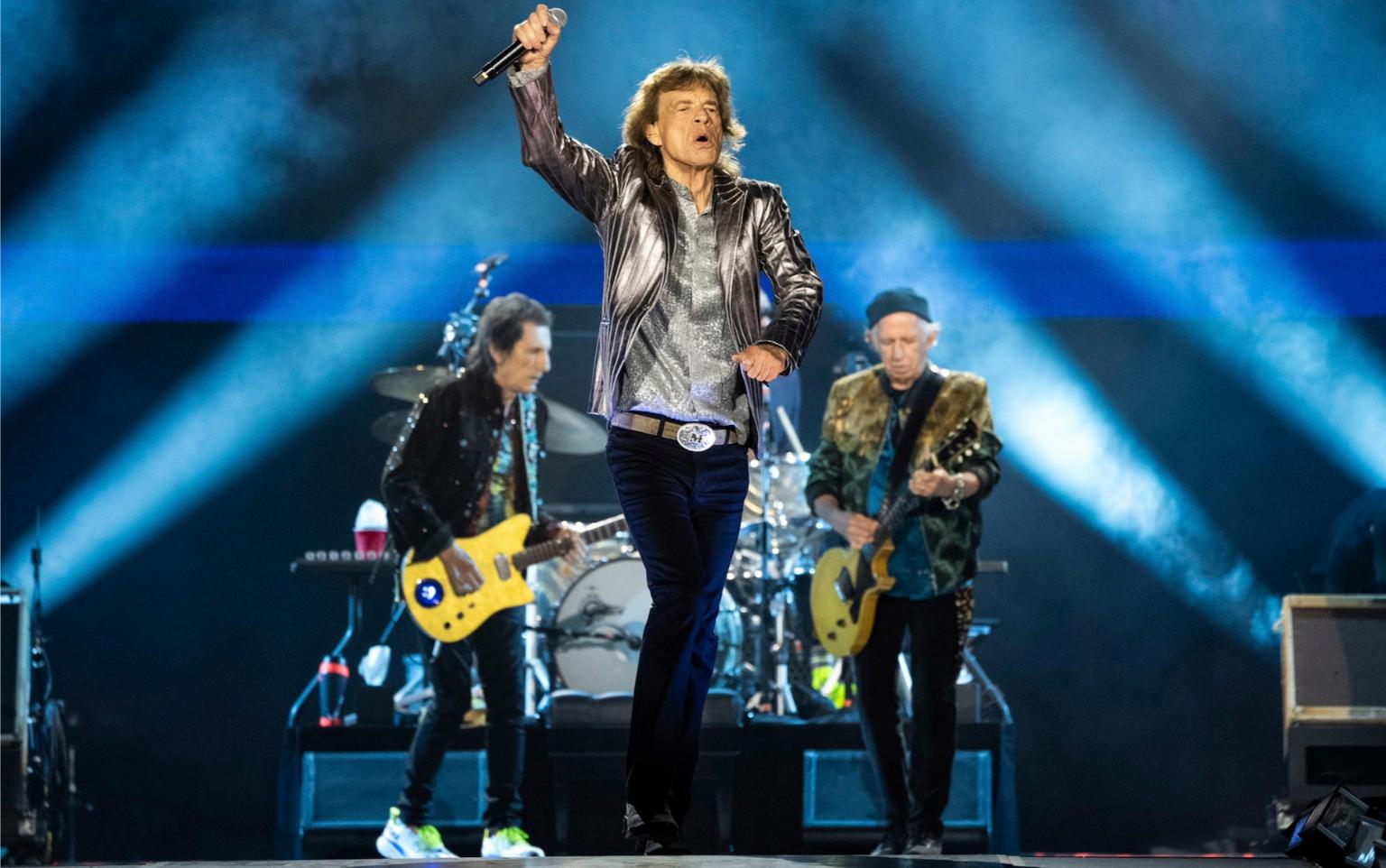
Jagger on stage
Sir Mick Jagger has lived in the area near the proposed tower since the 1960s Credit: Amy Harris/Invision/AP
Sir Mick Jagger memorably sang that “you can’t always get what you want”. But he seems to have done exactly that, winning a two-year planning battle to stop a skyscraper being built near his Chelsea home.
The Rolling Stones frontman was one of several notable people who backed a petition against the 100m One Battersea Bridge, which would have been almost as tall as the nearby Battersea Power Station chimneys.
The 29-storey tower would have been built on the south bank of the Thames, in central London, by Rockwell.
The Stop One Battersea Bridge petition amassed more than 5,000 signatures warning that the “vast and vulgar property development” would “destroy a precious, historical riverside vista” to “line the pockets of a super-rich company”.
The drawing shows the tower next to the Thames
An architect’s drawing of the proposed devlopment at One Battersea Bridge
As well as Sir Mick, signatories included Eric Clapton, the guitarist, Felicity Kendal, the actress, Anthea Turner, the TV presenter, and Harry Hill, the comedian.
After the petition and numerous complaints from locals, Wandsworth council unanimously rejected the plans, prompting Rockwell to appeal.
But after an eight-day inquiry, Joanna Gilbert, a planning inspector, dismissed the appeal, stating that the building would have caused “a dramatic change to the skyline”.
Rockwell – which had teamed up with a private equity firm founded by Steve Feinberg, Donald Trump’s former secretary of defence – had argued that the tower included 54 affordable homes and would have tackled “an urgent need for new, high-quality housing” in London.
But Ms Gilbert concluded the plans would have “adverse effects on the character and appearance of the local area” and “be overbearing”.
‘I care about the area’
Sir Mick, who moved to Chelsea in the early 1960s with bandmates Brian Jones and Keith Richards, said the plans made “no sense” and were “totally wrong on every level”.
In a statement, Jagger, who lives near the planned site, said: “I have lived in this area for a long time and I care about what happens to it.
“If this goes ahead, it could lead to more tall buildings being built … changing this wonderful stretch of the Thames riverside forever.”
Clapton warned that if the plan went ahead, it would lead to “a free-for-all for other developers to build towers along the river. Before long, it will become another Vauxhall.”
He added: “These developers don’t give a damn what anyone thinks. They are just in it for the money.”
Other opponents of the scheme included Historic England, the Chelsea Society, the Battersea Society and Marsha de Cordova, the local MP.
Rob McGibbon, the petition’s founder, wrote: “Its scale and density for such a location is ridiculous on so many levels, not least the chaos it will cause during and after its construction … This is not a silly sob story – this is serious.”
Plans revised
Rockwell first planned to build a 34-storey building with 142 flats, but the plan was later revised down to 110.
Plans were submitted in April 2024 and rejected by the London Borough of Wandsworth, which said the building’s height and scale were excessive and would spoil the skyline and “devastate” neighbours’ lives.
The council also concluded that the plans would only make a “modest contribution” to the borough’s annual need for homes, and the Greater London Authority backed its decision.
In her report, released on Thursday, Ms Gilbert added: “The proposal would cause harm to townscape character in several identified views from different directions and differing distances. [It] would be taller and bulkier than other existing buildings, rendering it highly noticeable.”
But Ms Gilbert admitted the affordable housing element of the plans had carried “substantial weight”.
Rockwell said in a statement: “We are obviously disappointed with the decision… We [had] significantly reduced the height of the building while remaining committed to offering 50 per cent affordable social rented homes – which is rare for any private development in London.
“We were going to deliver real community benefits including a free-to-access community hub run by local charities, and significant public realm improvements next to the River Thames. An unprecedented 1,900 people signed up to a letter in support of the project…
“There is a dire need for more housing in London; in Wandsworth alone, there are more than 7,000 homeless people.”