

When Lagaan arrived in cinemas in 2001, it carved out a unique place in Indian film history. The epic drama not only emerged as one of the top-grossing Hindi films of that year but also earned global recognition. It became India’s third and most recent nomination in the Best Foreign Language Film category at the Academy Awards, following classics like Mother India and Salaam Bombay!. Years later, the film continues to be celebrated, with its creators revisiting memorable moments from its journey.
A Creative Clash on Set
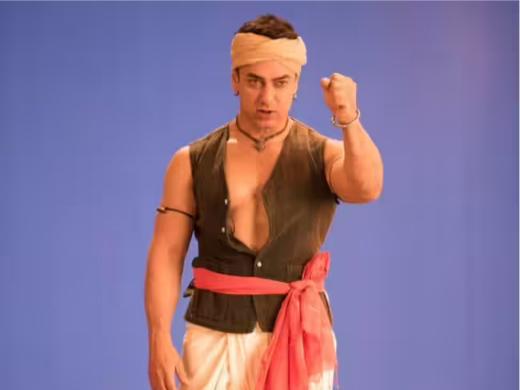
At a recent appearance at the Red Lorry Film Festival, actor Aamir Khan and filmmaker Ashutosh Gowariker looked back on their collaboration, including a disagreement that arose during filming. The debate centered on the physical appearance of Bhuvan, the protagonist portrayed by Aamir.
Aamir questioned the logic behind presenting Bhuvan as clean-shaven in a drought-stricken rural setting. From his perspective, a villager struggling without sufficient drinking water would hardly prioritize grooming. He felt the detail disrupted the realism of the narrative, given the harsh living conditions depicted in the story.
Director’s Vision vs Actor’s Realism
Ashutosh Gowariker, however, stood firm on his creative choice. He explained that the film was an unconventional experiment and required a distinct visual approach. Since Aamir was the central face of the story, the director believed the character needed a polished and appealing appearance to connect strongly with audiences. The clean-shaven look and styled hair were intentional decisions aimed at enhancing the film’s cinematic appeal rather than strictly adhering to realism.
Despite the director’s reasoning, Aamir continued to question the internal logic of the character’s grooming habits. He pointed out the inconsistency of a single individual maintaining such upkeep in a village where others were deprived of basic necessities. The discussion highlighted the constant balance in filmmaking between authenticity and artistic presentation.
Editing a Massive Vision
The scale of the project extended far beyond its final runtime. In a previous conversation, Aamir revealed that the initial version of the film was extraordinarily long, running over seven hours. A significant portion of this early cut focused on building up to the climactic cricket match. Eventually, extensive editing reduced the film to just under four hours, trimming numerous scenes and tightening sequences to make it more engaging for audiences.
The Story and Its Impact
Set in 1893 during British colonial rule, the narrative follows villagers burdened by heavy taxation and years of drought. Their fate takes a dramatic turn when a British officer challenges them to a cricket match, offering tax relief if they win. Despite having no prior knowledge of the sport, the villagers take on the daunting task, transforming the game into a symbol of resistance and unity.
Upon its release on 15 June 2001, the film competed with Gadar: Ek Prem Katha yet still achieved remarkable success. Its direction, performances, music, and powerful anti-colonial theme received widespread acclaim, securing its place as one of the most influential films in Indian cinema.