

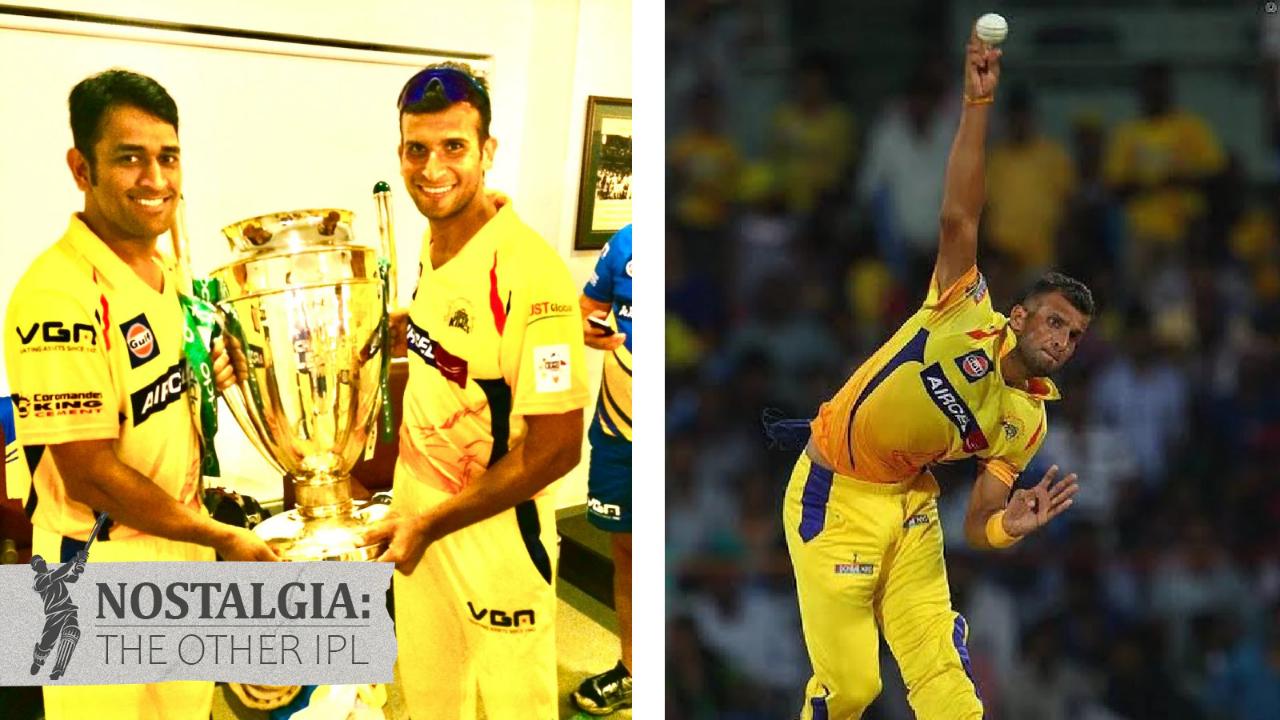
Every April, young cricketers from small towns across India enter the world of IPL — five-star hotels, foreign coaches, franchise millions, parties they would have never imagined. This series tells their stories, in their words, of what that crossing feels like.
When Ishwar Pandey checked into his hotel room for Pune Warriors in 2013, the first thing he saw was the bathtub. “Pehle jankari yeh le gayi, ke hai kya yeh cheez? I just didn’t know what it was. Do I have to bathe in it or sit in it? TV pe dekha toh tha but how do I store water in it?” He asked someone. Then came the air-conditioning. He didn’t know how to work the buttons. He had to call again. “Coming from Rewa, I had never stayed in such rooms in my life. It feels like we are in heaven. Ghanti bajao and sab hazir.”
Pandey, a lanky fast bowler from a lower-middle-class family in Rewa, Madhya Pradesh, had played domestic cricket and stayed in three-star hotels. He had travelled with the state team, shared rooms, managed without much. “In domestic cricket, there are no security guards, no AC bus sometimes. No one is watching. Even if you are going out, nobody cares.”
The IPL was a different country. His own room. A bathtub. A lobby he couldn’t navigate. Lifts that went to floors he didn’t recognise. “You don’t understand how the hotel functions. It takes some time. It is difficult for a new player who comes from a small village.”
The beds were different. The food was different. The parties after matches were different.
“It’s like a fairy tale. Sab apsarein-apsarein dekh rahi hai. It’s a big distraction. A lot of people get distracted. Those who haven’t seen it, think this is life. They don’t know where their career is going and where they’re going.” Loud music in a dark hotel room, the glamour everywhere, the money visible in everything. “Whenever any senior player used to warn, sabko lagta hai, yeh khud toh party kar raha hai aur mujhe mana kar raha hai.” Now, looking back, he admits it was exactly the distraction the seniors said it was.
***
The dressing room was its own puzzle. “Kahan-kahan dekhe,” he says. Players who had watched their heroes on television were now sitting next to them. The awe took time to fade. Players from villages took longer than players from cities. Nobody talked about this. “The chaka-chaund hits you. The boys get nervous because they have never seen anything like this. But your big players, your teammates, they have seen it all. They try to help.”
The hardest part was language.
“There comes a phase where you get scared. Whether I am saying the right thing or wrong. Language is a problem. Whenever you go with a foreigner, you are speaking from your side. But you can’t explain whether he is understanding or not.” Pandey pauses. “For example, when Alan Donald was in Pune, I couldn’t speak to him freely. I tried to explain it to him, but the sentence was not clear. He used to feel that I couldn’t explain it to him. I took help of others.”