

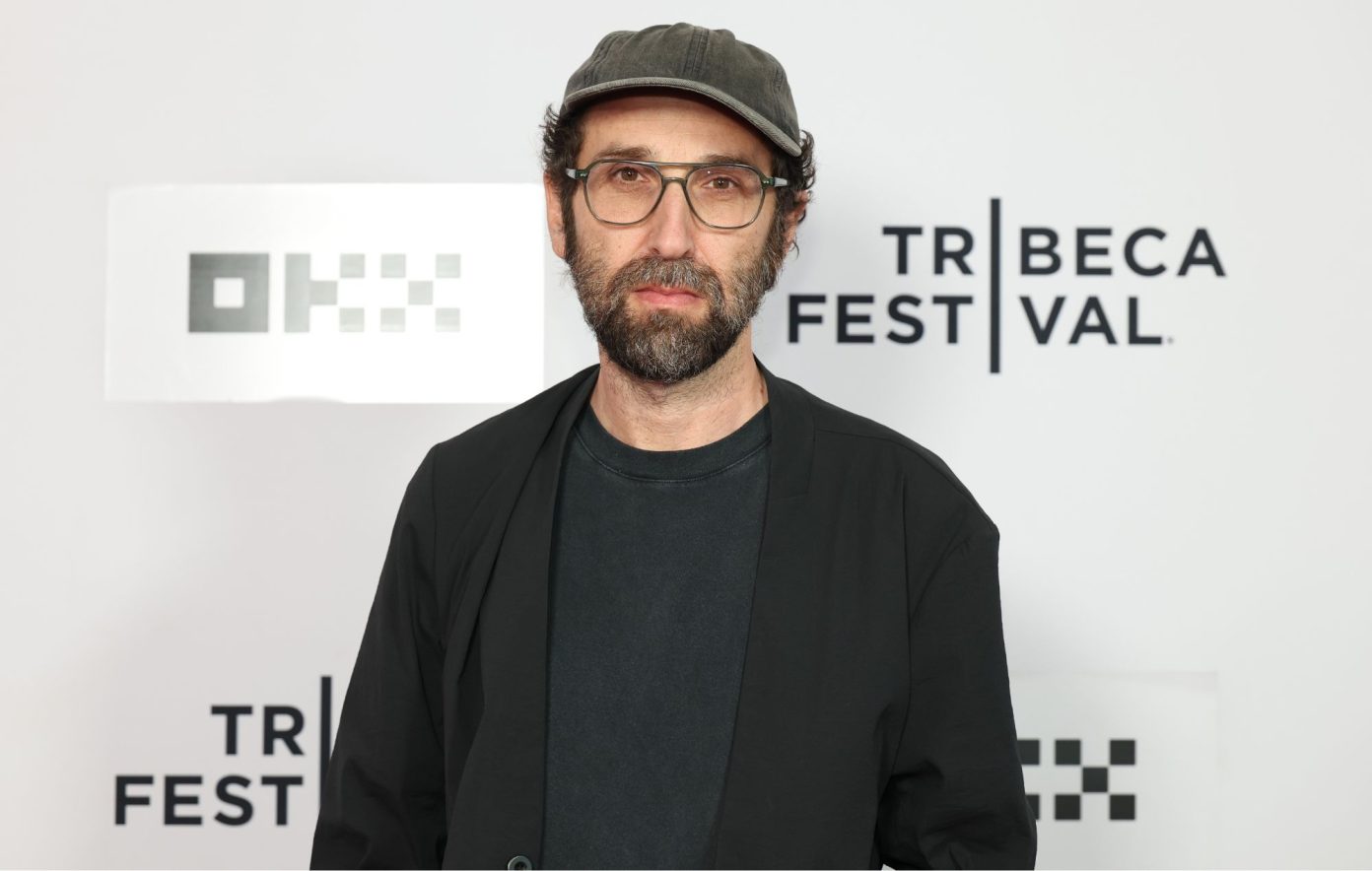
Daft Punk’s Thomas Bangalter has spoken out against using AI in songwriting, describing it as “a way to bypass the creative process”.
The electronic music icon shared his stance during an interview with Chanel’s president of arts, culture and heritage, Yana Peel. After decades of dressing as a robot for Daft Punk, Bangalter was asked whether he would ever consider using AI technology to help write his own material – to which he quickly shot the idea down, saying that it erases the creative process entirely.
“AI really focuses right now on the results,” he shared. “It’s all about the output. My creative process is absolutely not about the output.”
Describing it as a shortcut to getting to the finished product, the Daft Punk star labelled AI assistance as “a way to bypass the creative process” and prevent people from experimenting and finding a new, unique sound.
“The output is really the whole journey to maintain that process in a spontaneous and intuitive and instinctive way,” he continued. “It is actually the creative process that I find the most interesting… Why would I want to bypass the moment that I’m passionate about?”
Bangalter joins a growing number of artists speaking out against the rise of AI in the music industry. Other names have included Jack Antonoff, who called AI music creators “godless whores”, and SZA, who spoke out after discovering that over 200 of her tracks had been used to train AI software.
Smashing Pumpkins frontman Billy Corgan also described using AI assistance to write music as “a deal with the devil”, and in 2025 Damon Albarn, Kate Bush and Annie Lennox joined over 1,000 artists in releasing the silent album ‘Is This What We Want?’ in opposition to the rise of AI in the music industry.
Deezer recently shared that AI-generated material now surpasses 50 per cent of daily uploads on the platform – the first time that human-made music has been outnumbered by AI alternatives. The streaming service has also tried to combat the rise in music made entirely by artificial intelligence by launching a tool to detect it on 20 different streaming platforms.
Other platforms to crack down on AI-generated music include TIDAL, which confirmed that it will not be paying royalties to any music made entirely by artificial intelligence, and Spotify, which confirmed that it was removing 75million “spammy tracks” and targeting impersonators.