

Some see it as a natural progression from being a respected actor, jumping to directorial status to prove that their prowess goes beyond just performing in front of the camera. From Mel Gibson to Clint Eastwood, these actors have all proven that there’s much to be said about extending the creative process into something with more control and hands-on capabilities, some even starring in their own stories.
This isn’t as rare as you might think, but it is hard to think of more than a couple who went on to appear in their own movies with a notable level of success. Most of them also appear as cameos and not necessarily fully-fledged roles that have much of an effect on the narrative as a whole. Eastwood is perhaps one of the most obvious on that front, having starred in his own films more than ten times, proving his position as one of the most important figures in Hollywood.
That said, it’s even rarer to find an actor who starred in their own movie and also got recognition for it, let alone win an award for it. Though that’s likely because it’s actually pretty difficult for actors-turned-directors to get that level of recognition in general, let alone put out projects that incorporate the right tone and talent to actually be award-worthy.
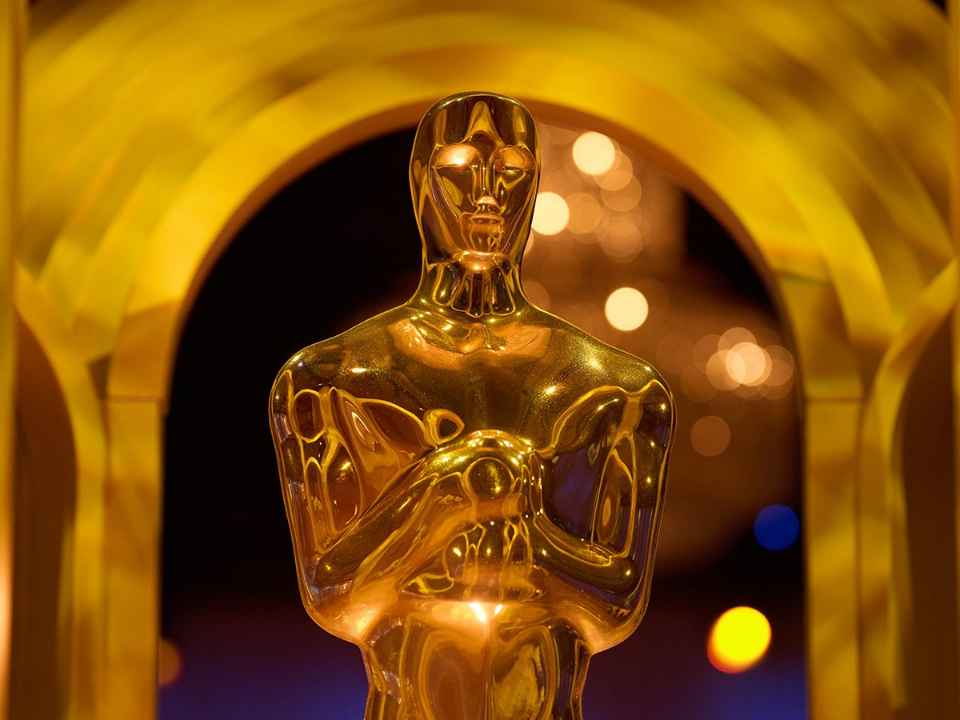
And when it does happen, however, it’s pretty monumental, like when Orson Welles was nominated for several Oscars for Citizen Kane, including ‘Best Director’, ‘Best Actor’, ‘Best Original Screenplay’ and ‘Best Picture’. The first actor to win the award for ‘Best Actor’ for a film they also directed was Laurence Olivier, who took home the award for Hamlet, a massive feat that set countless others off vying for the same.
Who was the first person to win ‘Best Director’ for a movie they acted in?
The same year, Olivier lost his ‘Best Director’ nomination to John Huston, but the first to earn that coveted accolade was actually Woody Allen, who took home the ‘Best Director’ award for his 1977 masterpiece, Annie Hall. He also won ‘Best Picture’ and ‘Best Original Screenplay’, while Diane Keaton won ‘Best Actress’.
The next was Warren Beatty, who won ‘Best Director’ in 1981 for Reds, after which it was Eastwood in 1992 for Unforgiven. But even looking at all of those, it’s hard to see any ever coming close to the immense cultural impact that Annie Hall had, both in terms of celebrity culture (and how it catapulted Keaton to a new level of iconic) and the romantic comedy genre in a more general sense.
It’s also a good example of how mainstream movies began to incorporate so-called “experimental” tropes, not just with Allen’s distinctive breaking of the fourth wall but with how the themes of the film and emotions of the characters were intended to be shared with the audience, despite having their position as spectators constantly challenged.
As Allen later put it, he chose to incorporate those elements “because I felt many of the people in the audience had the same feelings and the same problems. I wanted to talk to them directly and confront them.”