

March 8, 2026 — history will remember this as the day Indian cricket witnessed a significant shift. For the first time ever, India won an ICC tournament without a larger-than-life megastar whose blinding glow eclipses everyone else in the frame.
Suryakumar Yadav deserves full credit for delivering that Cup at home, but he is no Kapil Dev, MS Dhoni or Rohit Sharma. He is not even Sourav Ganguly or Virat Kohli. He has never led an IPL side and isn’t part of the ODI and Test set-ups. Hardik Pandya, once a diva, is now one among the boys — a former captain with no visible leadership ambitions. Jasprit Bumrah is what Sachin Tendulkar used to be: an elder statesman, a strong voice in the dressing room, more trustee than CEO.
All of them have, at some point, been unjustly overshadowed by bigger names. None of them are bigger than the team.
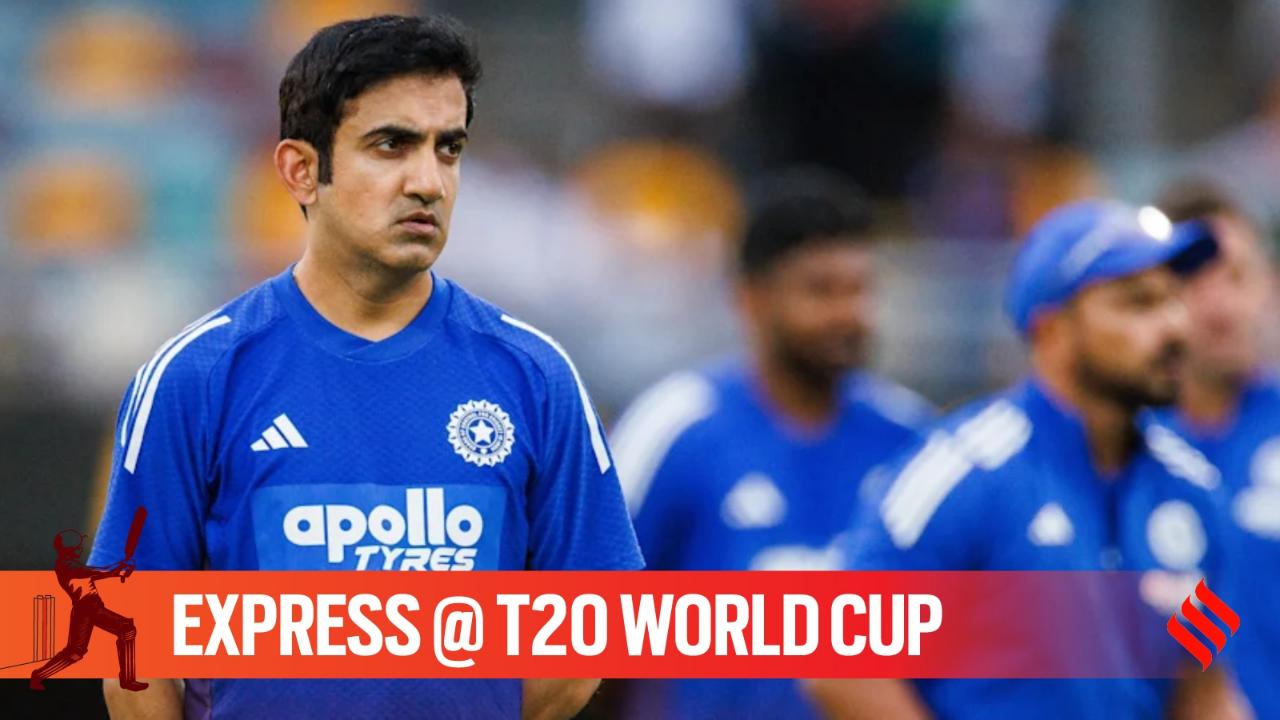
The only man with a clear and distinct signature on this champion side is the head coach. This is Gautam Gambhir’s dream team. Always an advocate of the under-appreciated, a longstanding critic of Indian cricket’s star culture, Gambhir isn’t just part of this miracle — he is its architect. He sowed the seeds, weeding out unwanted plants, pruning some and watering others over two years.
Now Gambhir’s boys have grown. Don’t miss the forest for the well-groomed trees.
Surya lifting the Cup with Gambhir floating in the background, his shy smile in place — it isn’t just another Cup-winning moment — it is a Hall of Fame frame for the ages.
It is a picture that captures Indian cricket’s changed mindset. India’s Cup-winning teams had always been cracking units identified by the commanders who led them: Kapil’s Devils, Dhoni’s Army, Rohit’s garden mai ghumne wale bande. That’s no longer the case.
Indian cricket has finally caught the global sporting trend. Like football, where managers call the shots, coach Gambhir is clearly the man in control — the last word. He decides strategy and has a major say in picking the players who carry his vision on the field. He is backed by chairman of selectors Ajit Agarkar, another decision-maker not intimidated by a player’s power or popularity. More on him some other day.
This team — many left-handers, an excess of all-rounders, stars without immunity, an accommodative captain — is unlike any champion side from the past. It imbibes Gambhir’s cricket philosophy to the T.
Exploring the mind of the often outspoken, contrarian and controversial coach — whose Test record is far less flattering than his white-ball report card — is an interesting study.
It’s July 30, 2025, the eve of the final Test at The Oval, London. Gambhir, looking relaxed, is having a casual chat with a few journalists on the dressing room steps. Coaches generally avoid talking shop at such moments, which makes this a reporter’s chance to find clues that explain the man, not just the manager.
AS IT HAPPENED| INDIA VS NEW ZEALAND T20 WORLD CUP 2026 FINAL
Gambhir talks about a book he always carries and keeps re-reading: a biography of freedom fighter Bhagat Singh. He finds the Punjabi revolutionary — hanged at 25, yet still the spirit animal of young rebels, rugged truck drivers and daredevil bikers — endlessly fascinating.
He throws a question that gets the small group thinking. Who was Bhagat Singh’s biggest hero — that young revolutionary whose picture he kept in his pocket? He answers it himself. Kartar Singh Sarabha: the largely forgotten martyr the British executed in 1915 when he was just 19.
What follows is a gripping monologue on Sarabha’s valour, and then a lament about the politics of enshrining a handful of freedom fighters while airbrushing the rest. He is getting goosebumps, he says.
India were trailing 1-2, a Test to be won the next morning, their best bowler unavailable, the batting losing steam — and yet the “unsung vs over-sung” question had stirred something inside him, as it always does. Glorifying a few, under-appreciating others: a trait long associated with Indian cricket, and one that always gets his goat.
As India coach, Gambhir has walked his righteous talk. The once untouchable icons Virat Kohli and Rohit Sharma couldn’t survive their long slumps — they were asked to go when they wanted to stay. Conspiracy theorists cried vendetta. It would turn out to be the new normal.
During the England tour, new captain Shubman Gill emerged as the next superstar, singlehandedly winning Tests. It’s a tag Gambhir doesn’t like. He doesn’t come across as someone inclined to fall back into the old Indian habit of pampering and indulging big egos.
Within months, cricket’s vagaries caught up with Gill. Miserably out of form in the lead-up to the T20 World Cup, the Test and ODI captain was dropped from the big party at home. Immunity for stars was a thing of the past.
With unprecedented calls comes extra scrutiny. Those not aligned to the politics of the former BJP MP mixed issues and pounced at the chance to write him off. The Ro-Ko fan armies relentlessly targeted him on social media. The influential voices in the commentary box — the ones Gambhir has taken on in public — haven’t been kind either. The two home Test losses gave his detractors enough ammunition. Many times, the criticism has been justified.
Gambhir is stubborn. He sticks to his positions despite repeated failures or widespread outrage. In England, he persisted with all-rounder-spinner Washington Sundar and kept specialist Kuldeep Yadav out. Delhi pacer Harshit Rana was called his favourite, but that didn’t stop Gambhir from insisting on him across formats.
The pundits wanted Sanju Samson dropped for good, but Gambhir trusted him enough to bring him back. Same with out-of-form opener Abhishek Sharma, who may have made three consecutive ducks in the tournament, but scored a quickfire half century in the final. Gambhir has a soft corner for the game’s unheralded. As if on a mission to correct a historic wrong, he seems to be on a reparation drive — determined to give the plebeians the same long rope that cricketing royalty once enjoyed. Players feel that. They seek him out for it.
In his playing days, one India coach called Gambhir ‘Amitabh Bachchan, Indian cricket’s angry young man’. In his avatar as coach, he is standing for the wronged and the underdog, just like the protagonist in old Bachchan movies.
On April 23, 2024, the IPL party was in full swing. Kolkata Knight Riders, with Gambhir as coach, were cruising. Star all-rounder Sunil Narine was smashing new-ball bowlers at the top and shattering stumps with the ball. West Indies captain Rovman Powell came to Gambhir with a problem. With his country hosting the T20 World Cup in a few months, he needed Narine — but the Trinidadian mystery spinner’s frustrations with his board had led him to walk away from international cricket.
Powell knew Gambhir’s equation with Narine. The story goes that he asked Gambhir to convince him to come back. Those in the KKR dressing room savour what followed.
Narine said he was ready — on one condition. “What?” asked an excited Gambhir. “If you coach the West Indies.” They laughed, and that was that. KKR won the IPL on the back of Narine’s heroics. West Indies, without him, didn’t win the T20 World Cup.
That personal currency — the loyalty he earns, the instinct it frees up — has driven his boldest calls. KKR won the title the year Gambhir, as captain, preferred domestic player Manvendra Bisla over Brendon McCullum — the Baz, the God of cricket on steroids — for the final. Bisla repaid him with a hundred. That’s Gambhir.
Once, asked to pick between Cristiano Ronaldo and Lionel Messi, he named then-Manchester United striker Marcus Rashford. Even Rashford might have disagreed.
World Cup-winning coaches never have it easy. Accolades bring lofty expectations. There will be setbacks, tactics that backfire, stars who bounce back to prove him wrong. But with this T20 World Cup title, Gambhir has rocked the boat. He has made Indian cricket aware that there is life beyond superstars. His coaching staff say he often reminds them that they won’t be here forever — but they should put in place a system that those who follow them will benefit from.