

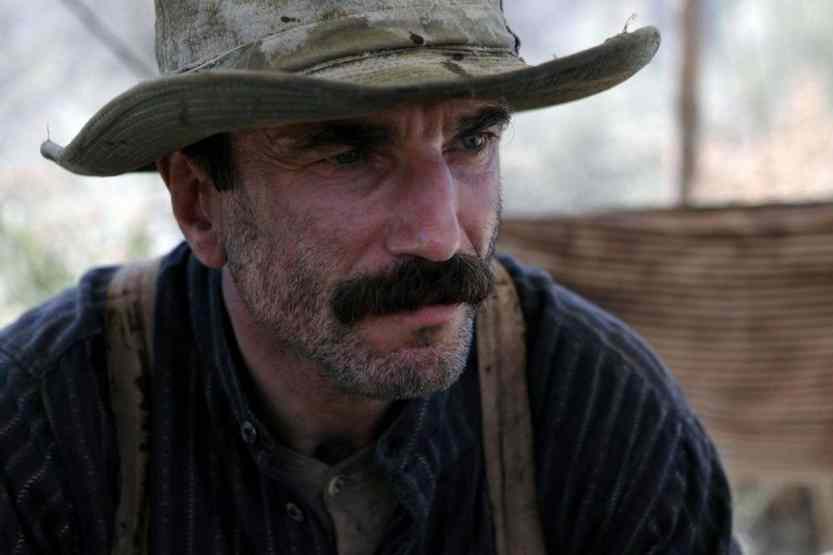
He first slipped onto a film set as a nameless face in Sunday Bloody Sunday, a teenager tucked in the background. From there, the path bent through stage training, prickly 1980s roles, and the twin lightning bolts of My Beautiful Laundrette and Room with a View. What followed is the rarest ascent: three Best Actor Oscars for performances that seemed lived rather than played in My Left Foot, There Will Be Blood, and Lincoln. After a self-imposed quiet since 2017, he is poised to reemerge in Anemone under the direction of his son, Ronan Day-Lewis, extending a legacy that already looms over contemporary acting.
A modest beginning to an extraordinary journey
At 14, in 1971, Daniel Day-Lewis appeared as an uncredited extra in Sunday Bloody Sunday, a film nominated for 4 Oscars. Cast as a teenage vandal in a brief London scene, he made a quiet entrance that would foreshadow a career defined by precision and nerve, ultimately elevating him to the summit of screen acting.
Shaping a career through theater and impactful roles
After that first brush with cinema, Day-Lewis refined his craft in theater, training with the National Youth Theatre and the Bristol Old Vic Theatre School, and performing on major British stages. The discipline paid off with a return to film in the 1980s: Gandhi (1982) and The Bounty (1984) led to a breakthrough with My Beautiful Laundrette and A Room with a View (both 1985), performances that announced a rising star with singular range.
From rising star to Hollywood’s most acclaimed actor
Day-Lewis set himself apart through rigorous immersion, often remaining in character throughout production. Defining turns in My Left Foot (1989), There Will Be Blood (2007), and Lincoln (2012) earned him an unprecedented 3 Oscars for Best Actor, making him the first and only male actor to reach that milestone. The commitment was exacting, but the results reshaped expectations of screen performance.