

Innovation is in the genes of the Pooja Knockout cricket tournament. Regarded as the world’s first one-day competition, it has been held uninterrupted since the inaugural edition in 1951 at the Palace Oval ground in Tripunithura, near Kochi. The 75th edition of the tournament, which began on September 15, heralds a new chapter in its storied history: matches in nights under floodlights, with the pink ball replacing the red one.
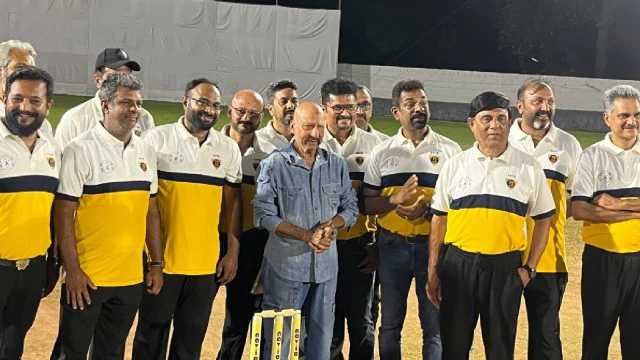
Former India wicketkeeper Syed Kirmani, one of the several illustrious names who have taken part in the tournament in the past, was the chief guest at an event organised by the Tripunithura Cricket Club (TCC) to mark the milestone on Sunday night. He went back to the fabled turf at Palace Oval and faced the pink cherry for a few hits before an exhibition game between two teams comprising former Kerala players.
“I have fantastic memories of the Pooja tournament. This was a very important event for us before each Ranji Trophy season. A good warm-up opportunity for all teams,” said Kirmani.
“Those days, all the major industries and banks had strong cricket teams. Sandip Patil, Dilip Vengsarkar, G R Viswanath, and Roger Binny all used to come and play the Pooja cricket. I get goosebumps when I talk about those days,” added Kirmani.
The origin
The Palace Oval is believed to have come up on land that the British government gifted for the Princes Club, which was exclusive to the male members of the Cochin royal family, and was later renamed to TCC.
After independence, KV Kelappan Thampuran, a member of the royal family and the first secretary of the Kerala Cricket Association, conceived the Pooja Knockout cricket tournament with 50-over matches at a time when limited-over cricket matches were largely unheard of around the world.
Hosts TCC, boasting the likes of Kelappan Thampuran and Ravi Achan, who was Kerala cricket’s first big name, beat Kottayam Cricket Club to win the inaugural edition in 1951 and went on to repeat the success for the next two years as well. Later, strong departmental teams like State Bank of India (SBI), India Cements and Chemplast Chennai became regular fixtures at the tournament and serial winners.