

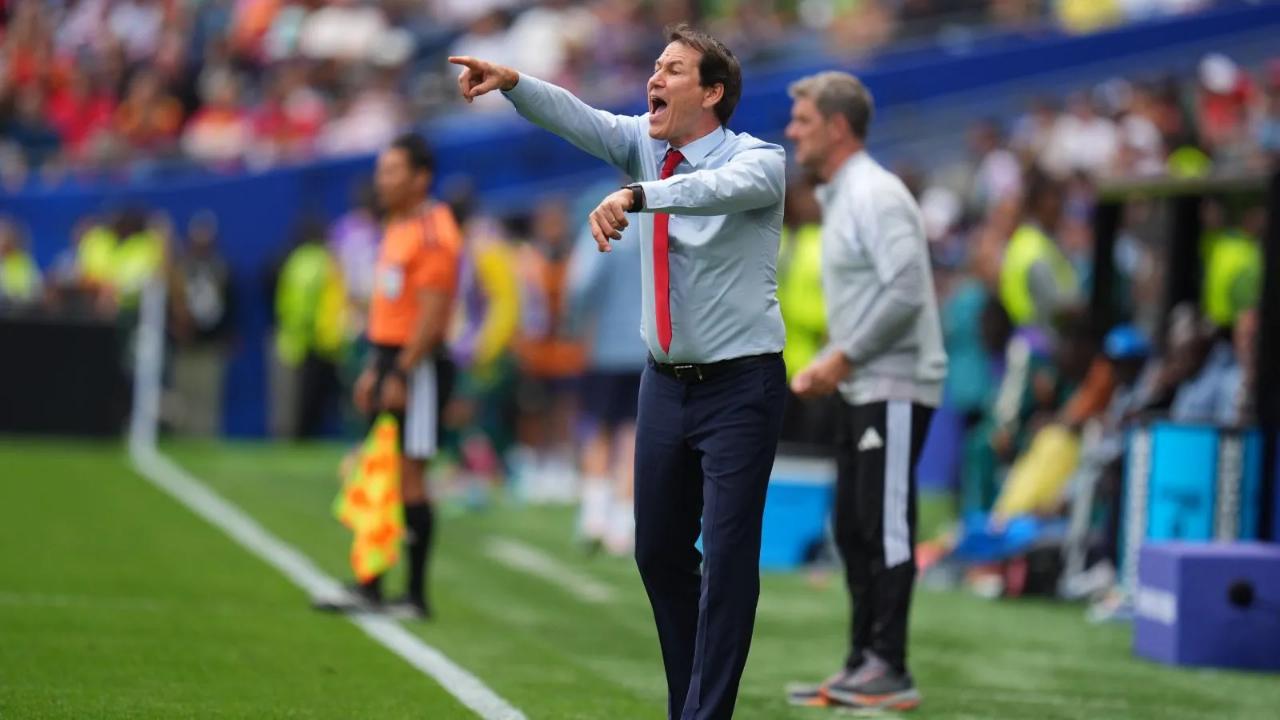
Lamine Yamal and Pau Cubarsí had yet to kick a ball. Gavi and Nico Williams had only just joined their local academies. Captain Rodri was on the verge of being released by Atlético Madrid’s youth setup for lacking the necessary physicality. None of Spain’s 26-member World Cup squad had made a professional appearance when Rudi Garcia won his last trophy, the 2010/11 Ligue 1, and can be forgiven for knowing little of Belgium’s manager. The Belgians didn’t know much, either. They do now.
The resentment at his appointment in January 2025 was not baseless. He has won only two titles in over two decades as a manager. His immediate predecessor was Domenico Tedesco: young, new ideas, and the only coach to win the DFB-Pokal with RB Leipzig. Tedesco sold dreams, and then delivered nightmares. Amid rifts and disagreements, Belgium imploded early. Before him was Roberto Martinez. He was entrusted with a cohort of talent ranked first in the world, the famed ‘Golden generation’ that promised exactly what its name implied. Gold. Bronze was the closest it came.
Belgium wanted a serial winner, or a name iconic enough to inspire hope among a fanbase that had already started to desert the national team. Conversations were held with Thierry Henry, Zinedine Zidane and Xavi. Footballing royalty. Every pursuit met a dead end. Attention shifted to Michel Preud’homme, a name less famous globally than that trio but a local legend nonetheless. He had personal issues. And then, from the chaos, emerged Rudi Garcia.