
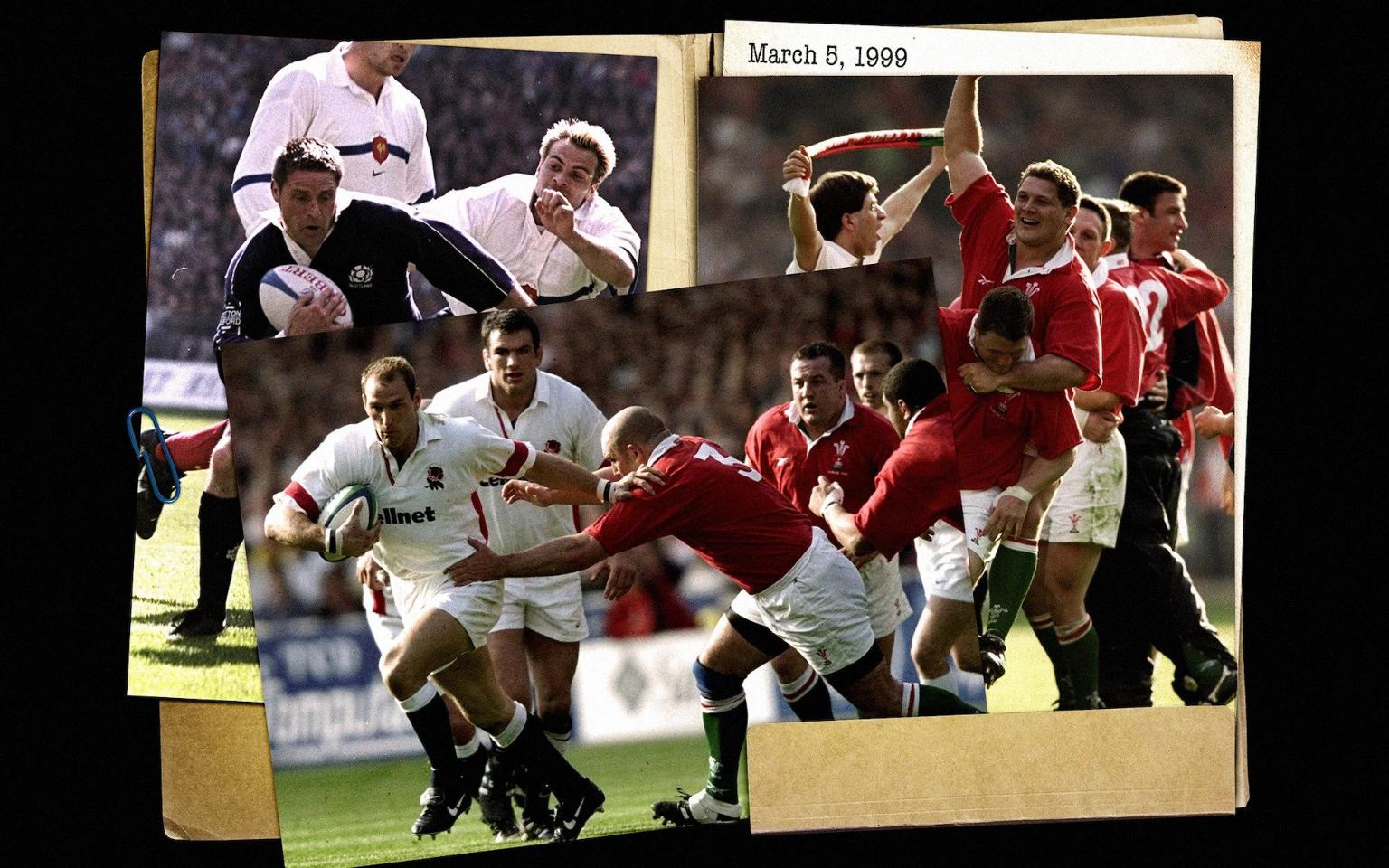
On March 5, 1999, on the eve of Ireland’s Five Nations match against England, a small group of rugby’s power brokers made their excuses and slipped away from the traditional pre-game functions for a secret meeting at Castlemartin House, an 18th-century mansion in Co Kildare.
At the time, the 300-hectare estate was owned by Sir Tony O’Reilly. The former Ireland wing had scored 38 tries in 38 games for the British and Irish Lions on the tours of South Africa and New Zealand in 1955 and 1959 respectively. But his business career had been even more successful.
The meeting was due to take place in the special meeting room in the estate’s garden. Up for discussion was a £500m proposal entitled “Project Lion” that would underwrite and transform the future of rugby in England, Ireland, Scotland and Wales for the next 10 years and allow the unions to offer central contracts to their leading players.
At the time, rugby union was in a mess, struggling to find its way in the fledgling world of professional sport. The game had officially opened after the 1995 World Cup, but the Rugby Football Union (RFU) had insisted upon a year-long moratorium, and in the vacuum clubs had begun to sign the leading players.
The RFU was not alone in struggling to see the way forward. Their Irish, Scottish and Welsh counterparts also lacked the vision and finances to take a decisive grip in an increasingly uncertain environment.
Tom Walkinshaw, the former racing driver, had taken ownership of Gloucester and, as chairman of English First Division Rugby (the forerunner to Premiership Rugby), had proposed a breakaway British league, guaranteeing each club a £1m participation fee. Meanwhile, the English clubs had pulled out of the European competitions because of a row over prize money, scheduling and control.
Some feared that international rugby would lose its primacy; that the winners of this existential battle would be either club or country. Many feared that the Lions tour of South Africa in 1997 would be the last.
But O’Reilly had a plan. As head of the Irish Dairy Board in the 1960s, he had invented the Kerrygold brand and went on to become the highest-paid executive in the US when he was chairman of Heinz, the first non-family member to hold the post. By the time of the meeting, he had also become a media magnate, owning over 200 newspapers, including The Independent.