

Last week, the Wisden cricket podcast posted a clip on its Instagram account of three cricket journalists (full disclosure: I was one) discussing who will form England’s Test bowling attack after the Ashes debacle.
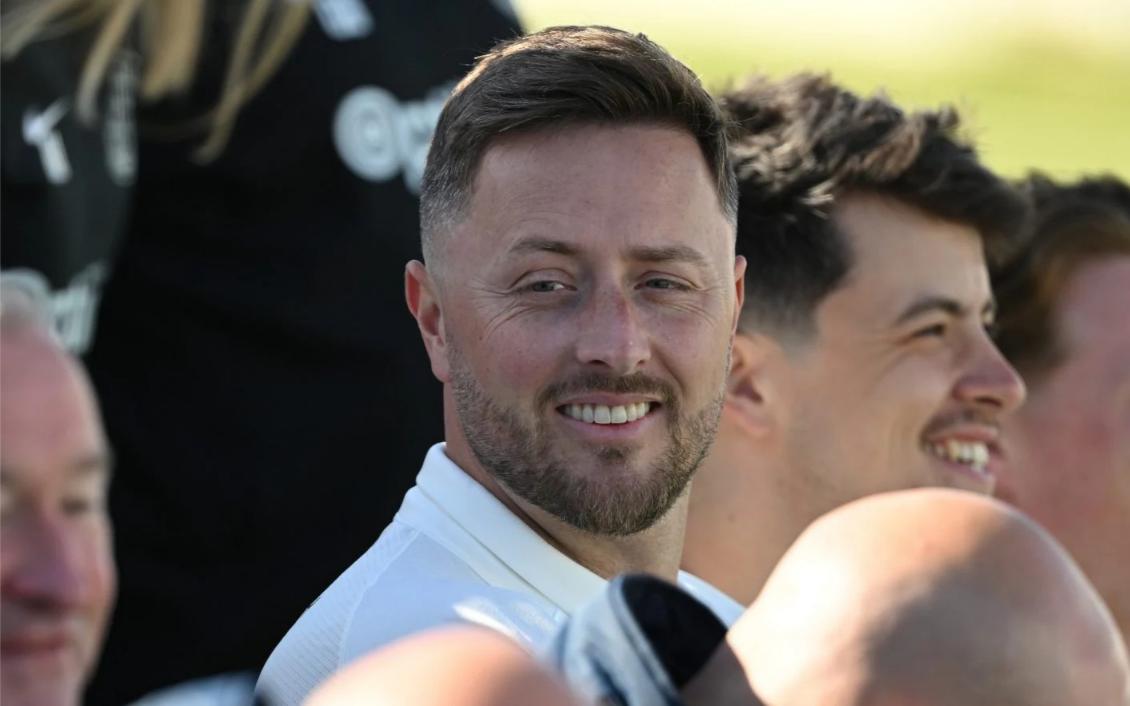
Into the comments came Ollie Robinson, offering a wave emoji. It acted both as a reminder of the existence of England’s forgotten man. It was also a statement of intent before a big season for the new captain of embattled Sussex.
Robinson is only 32, but it is more than two years since the last of his 20 Tests, which have brought 76 wickets at an elite average of less than 23. He was dropped after the tour of India in 2024, when he played just one Test and, not for the first time, pulled up with a back spasm.
The exact reasons for his dropping have never been articulated by England. He had limped out of the Headingley Test the previous summer, and his fitness issues pre-dated the Bazball era. Test cricket is gruelling, and being a fitness liability is clearly not a good thing. It is certainly frustrating for coaches.
In addition, there was always the underlying sense that the management under Brendon McCullum did not particularly warm to Robinson and found him hard work. It is unclear whether that is because he was temperamental, gobby (ask Usman Khawaja), going through some well-documented issues in his personal life, or because he did not quite fit the Bazball clique.
For his part, Robinson says: “Apparently I fell out with the England management, which I didn’t realise I did.” But besides sending Ben Stokes a “good luck” text on the eve of the Ashes, he says he has not heard from the England management in 18 months.
Whatever his undisclosed crimes were, it is time for England to let bygones be bygones. They are simply not good enough to do without a bowler of his quality as they rebuild after the Ashes.
Robinson should have been England’s attack leader for the last two years. He has played one Test since Stuart Broad retired and, since Robinson last played, James Anderson and Chris Woakes have gone and it seems widely accepted that Mark Wood will never be fit enough to wear the whites again.
Robinson can offer England two things. As their most senior capped quick, he can front an attack that looked utterly leaderless in Australia, when the willing but wild Brydon Carse was taking the new ball midway through the series. Robinson can also add a bit of snarl to a team that, in terms of character and playing style, had become increasingly monochrome since he and Bairstow were dropped in 2024, and the grand old quicks retired. It is a cosy club that would benefit from a bit of creative tension.
While he has been out of the side, England have been an average Test team, winning 12 matches, losing 10 and drawing one. Largely, they beat the teams they should, then lose the biggest series. In the attack, they have brought through Carse, Gus Atkinson and Josh Tongue, whilst Jofra Archer has regained fitness. They start the season on the hunt not only for an attack leader, but greater depth. Sam Cook, quickly discarded last year, and Matthew Fisher could add to their one cap each, while Tom Lawes and Sonny Baker are well regarded.
None of them has the body of work Robinson offers though. Rob Key admitted this week that England had “overplayed” loyalty and having a settled XI, but they also overplayed the value of out-and-out pace ahead of a balanced attack, especially when you consider the greenness of Australian pitches in recent years. What Robinson lacks in pace, he makes up for in skill and accuracy, delivering the ball from an awkward height.