

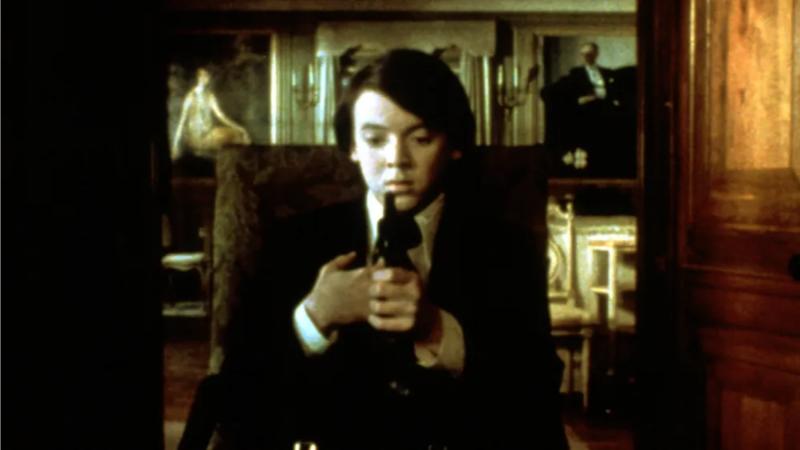
It was a startling omission. An actor barely out of his teens when he burst onto the scene in Hal Ashby’s 1971 cult black comedy Harold and Maude, Bud Cort made such an indelible impression that both he and the film he starred in (as Ruth Gordon’s decades-younger acolyte/lover) were catapulted to iconic status almost overnight. His was the kind of success story Hollywood lives for — yet this year, on the heels of his death in February, the Oscars telecast did not see fit to acknowledge Bud Cort in its In Memoriam section. Despite his place in the hearts of millions who continue to treasure Harold, he didn’t even merit a split-screen cameo.
If Bud were still alive, I can picture him responding to the snub with a casual mention of the telecast’s poor ratings, a twinkle in his eye.
It was 1984. A decade and change after the performance that first set his professional life ablaze, Bud wanted to write his memoirs.
I was an editor at a small press, and a writer we both knew told him I was the person he should meet. I can still picture him walking into my office, sitting across from me, talking in his soft voice.
He told me he had been rear-ended on the L.A. freeway.
“I physically left my body,” he said. “I could look down and see my body in the car from where I was hovering from above, and I remember I had to make a conscious decision whether or not to go back to it. I made the decision to go back. I didn’t have to. I’m still not sure I made the right decision.”
Although the driver who rammed into him was clearly at fault, and the law in L.A. was on the side of the rammee, the other man sued Bud, painting him as a profligate entitled celebrity. Somehow the driver won — his lawyer brought up the Conehead characters from Saturday Night Live to argue that the damage Bud was left with from the accident was makeup, a disguise, some sort of fancy special effect — and he was forced to pay an obscene amount of money to the man who had nearly killed him.